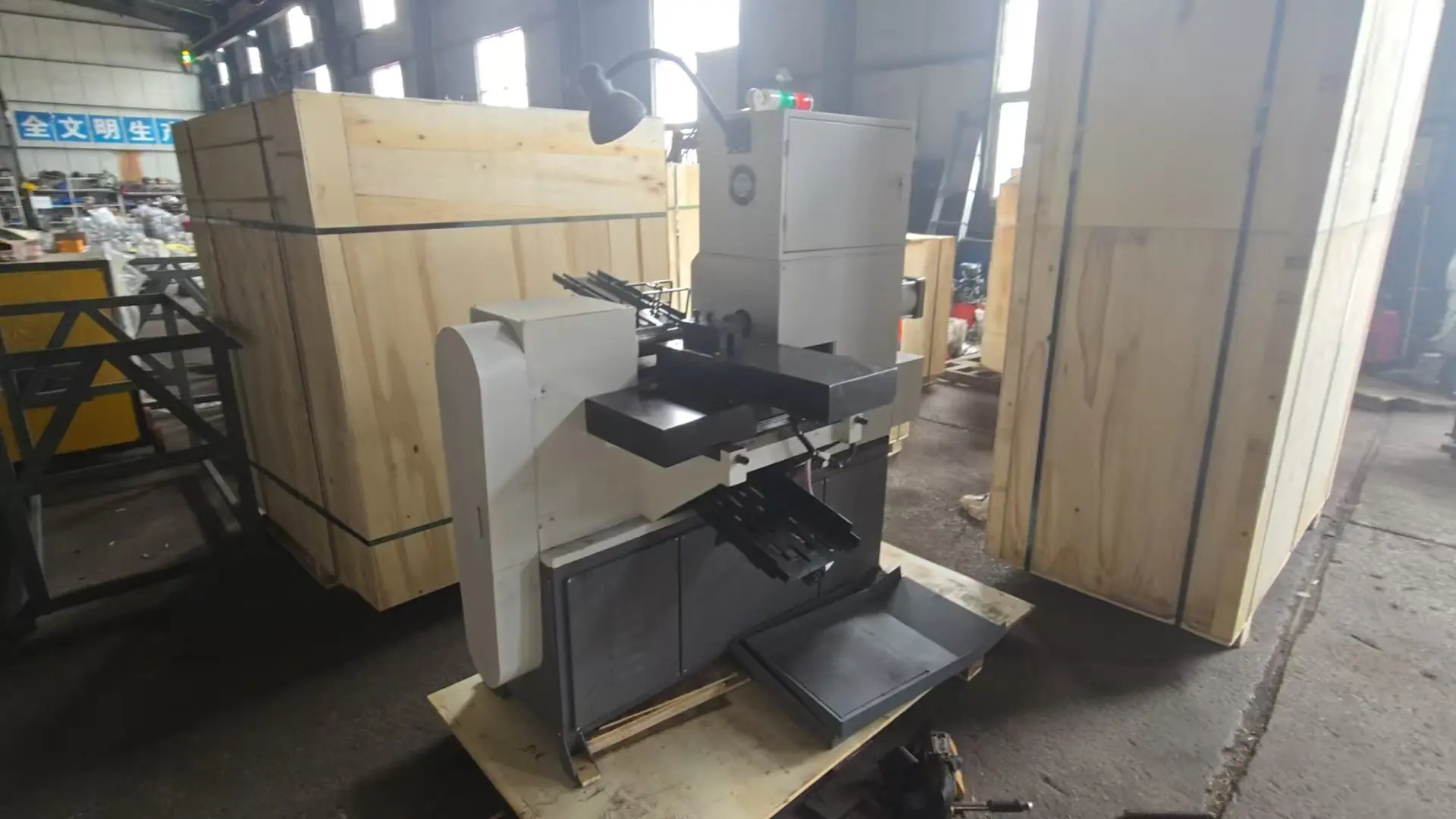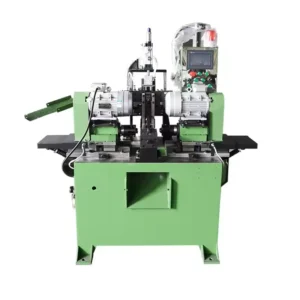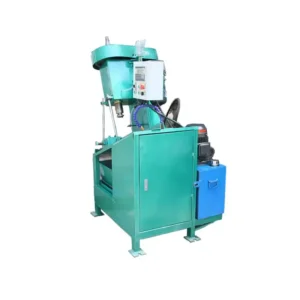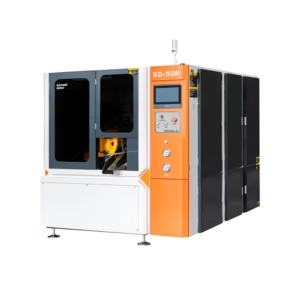

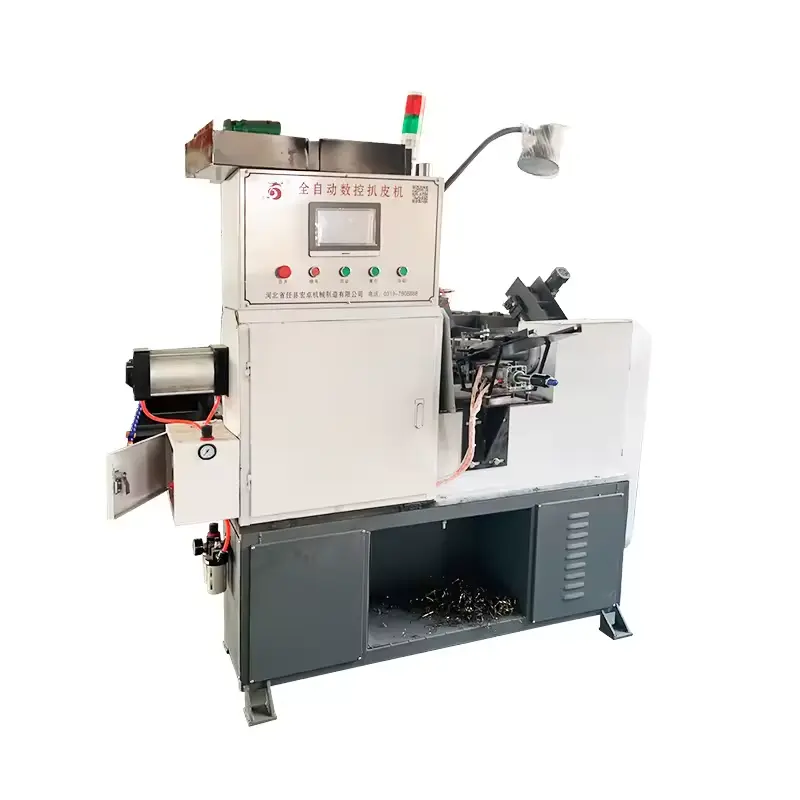
steel bar sleeve peeling machine for rebar coupler production line
Description
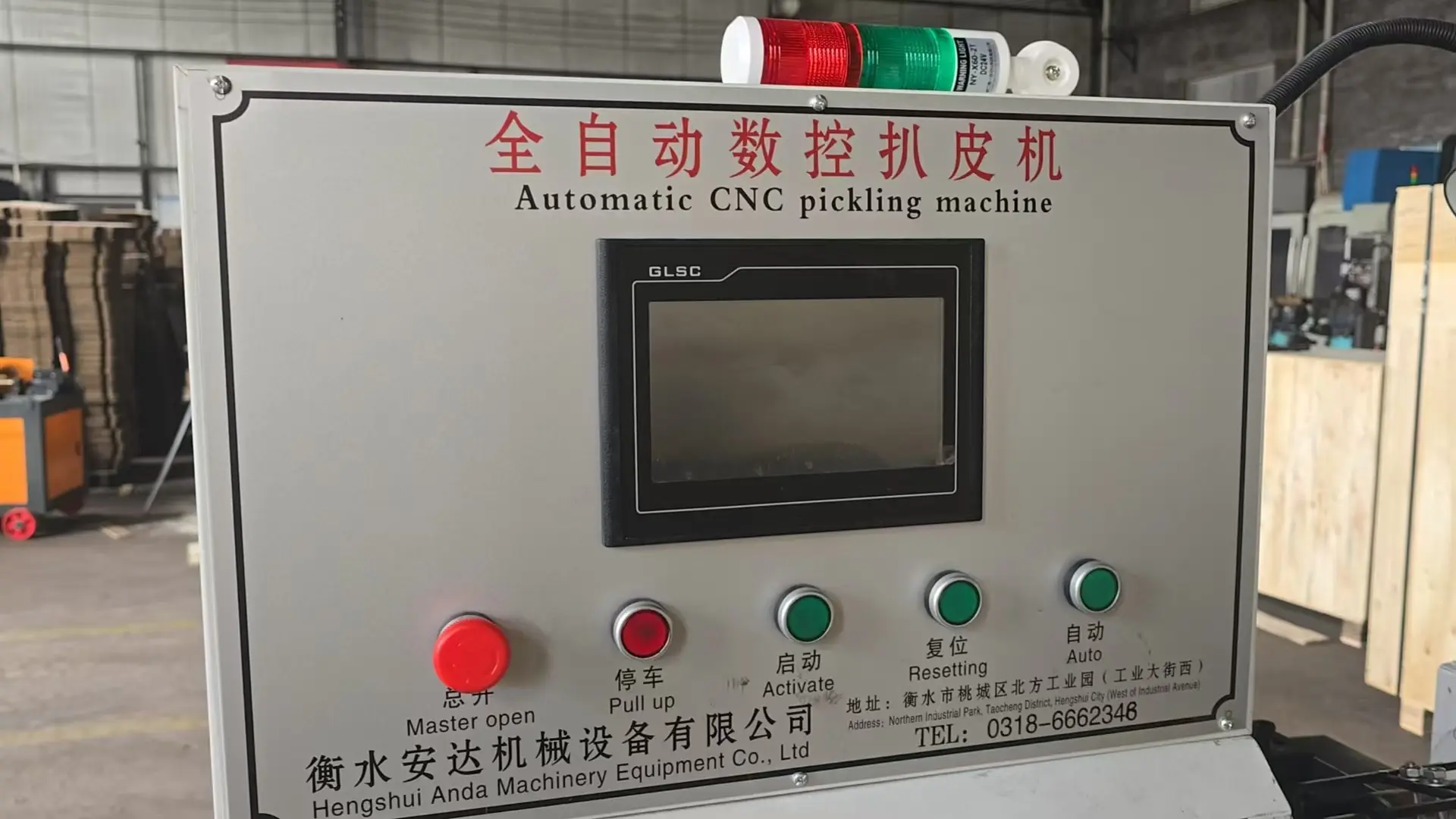
This Fully Automatic CNC steel bar sleeve peeling machine is a key machine for steel bar coupler production lines. It features a robust CNC belt drive, processes workpieces up to Ø80mm x 110mm, and is powered by a 4KW main motor with servo controls for precision. Offering customizable voltage (220V-440V) and backed by a 1-year warranty & CE certification for EU safety standards.
steel bar sleeve peeling machine Applications
The CNC Steel Bar Sleeve Peeling Machine is primarily used in metallurgy, machinery, and forging industries. It is engineered to remove various surface defects from metal materials—such as tubes and bars—including scale, weld seams, corrosion, and other imperfections. This process not only enhances the surface finish and dimensional accuracy of the workpiece but also improves its mechanical properties, such as corrosion resistance, strength, and toughness.
Product Specification
| Attribute | Value |
| Product Type | CNC Peeling Machine / CNC Lathe |
| Primary Application | Steel Bar Sleeve & Rebar Coupler Production Line |
| Processing Diameter Range | D16-40mm (Wide compatibility for various coupler sizes) |
| Automated Efficiency | Up to 1000 pcs/hour (High-volume production) |
| Control System | PLC (Programmable Logic Controller) |
| Drive System | Servo Motor (For high precision and repeatability) |
| Total Power | 4kW Main Motor + 3.0kW Hydraulic System |
| Key Components | High-Precision Gearbox, Servo Motors, Industrial-Grade Bearings, PLC |
| Machine Weight | 780 kg (Robust and vibration-free construction) |
| Machine Dimensions (L*W*H) | 1760 x 1310 x 1780 mm (Compact footprint) |
| Power Voltage | Customizable (220V-440V, for global market) |
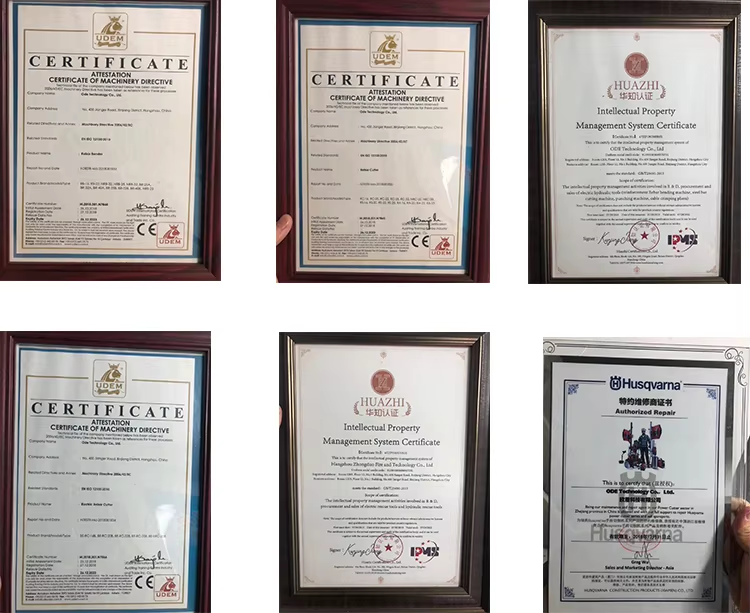
| Quality Assurance | CE Certified (Complies with EU safety standards) |
| Warranty | 1 Year on Core Components (Gearbox, Motors, PLC) |
| Quality Control | Provided (Incl. Machinery Test Report & Video Outgoing-Inspection) |
| Brand | ANDA MACHINERY |
Product Detail
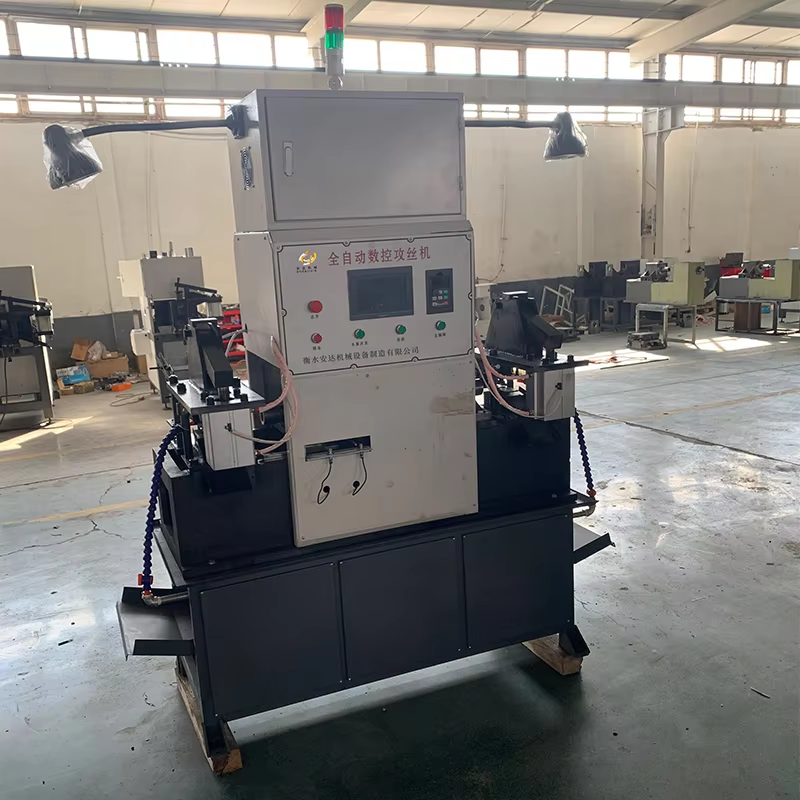
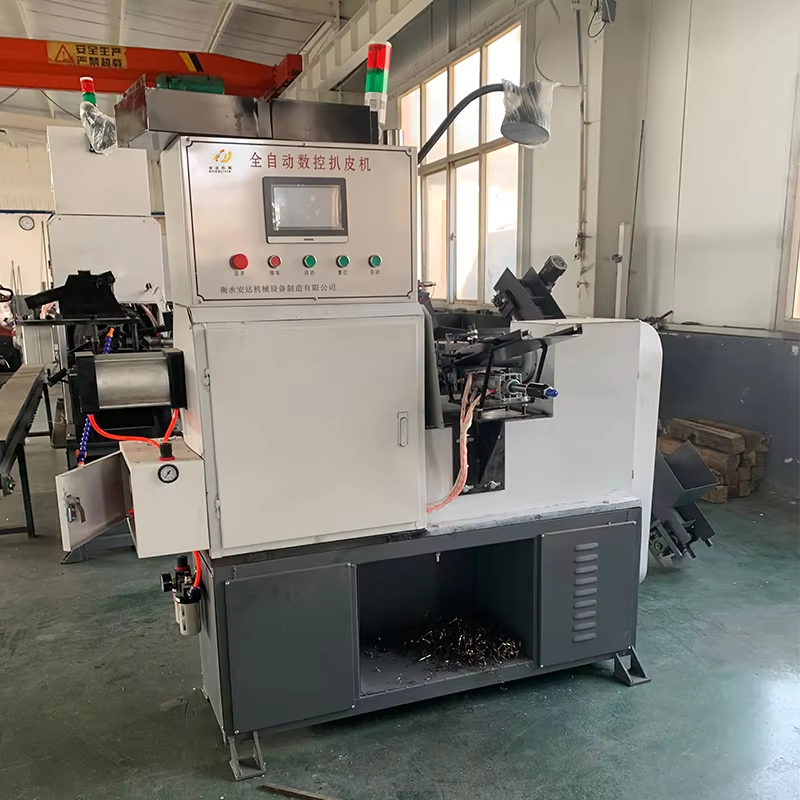
Product working principle
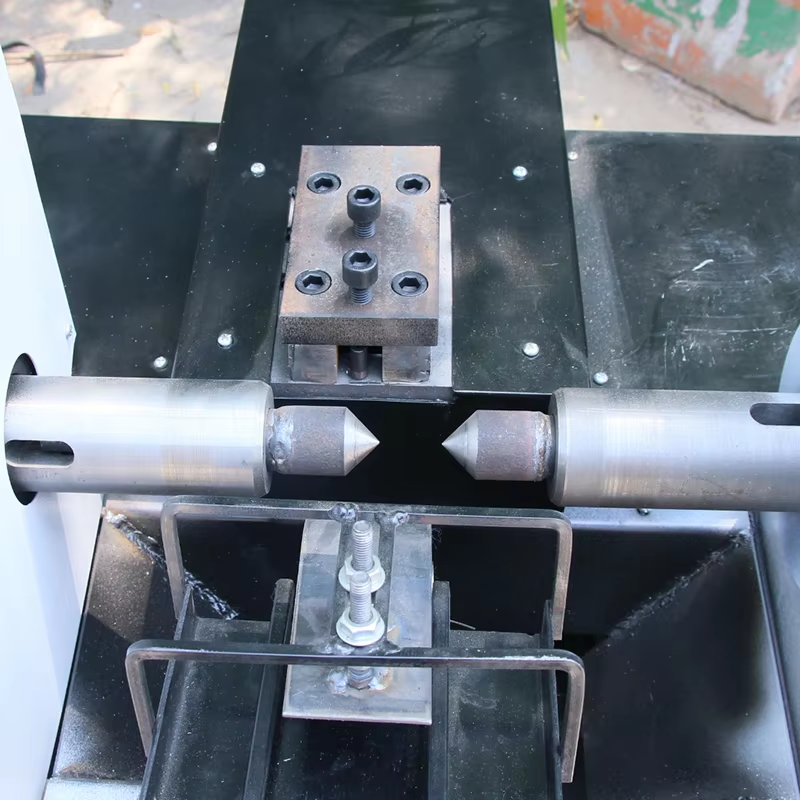
A CNC steel bar sleeve peeling machine primarily consists of a worktable, clamping device, peeling tool holder, cutting tools, and lubrication system. The operational workflow is as follows:
1、 Workpiece Clamping
The sleeve to be processed is securely clamped onto the worktable. The position, orientation, and clamping pressure are precisely adjusted to ensure stability during operation.
2、Positioning and Calibration
Through manual or automated calibration, key parameters such as the peeling profile, angle, depth, and speed are accurately defined to meet precise processing requirements.
3、Peeling Operation
Once the system is activated, the peeling tool follows the preset parameters and moves along the workpiece surface. The rotating tool head continuously removes surface defects such as scale or imperfections until the entire sleeve achieves the desired finish.
4、 Lubrication and Cooling
Throughout the peeling process, the lubrication system automatically sprays coolant onto the tool and workpiece interface. This reduces friction, minimizes tool wear, and prevents surface scratches, thereby ensuring processing quality and extending tool life.
steel bar sleeve peeling machine operation video
Product Operating & Safety Guidelines
1. Pre-Operation Requirement
Thoroughly read the operation manual and complete professional training before attempting to use the machine.
2. Pre-Start Checklist
Before starting, perform a comprehensive inspection. Ensure all systems, such as lubrication and electrical components, are fully functional. Also, verify that the working area is clean and clear to prevent accidents.
3. Workpiece Setup
Always securely position and calibrate the workpiece before clamping. Proper alignment is crucial to prevent inaccurate peeling paths and to ensure final product quality.
4. During Operation
Closely monitor and control key parameters—including the peeling profile, angle, depth, and speed. Optimal settings are essential for achieving a high-quality surface finish and maximizing tool life.
5. Post-Operation Care
After completing the peeling process, promptly clean the tool holder and worktable. Conduct routine maintenance to preserve the machine’s accuracy and ensure its long-term reliability.
Why Do We Remove Surface Scale Before Manufacturing Rebar Couplers?
Prior to being used in rebar couplers, steel bars must undergo a surface descaling process. This critical preparation serves two primary purposes: reducing thermal stress and enhancing bonding strength.
1. To Reduce Thermal Stress
During manufacturing, steel bars are processed at high temperatures, which forms a layer of oxide scale on the surface. If this scale is not removed before welding, it can trap gases and generate porosity during the welding process. This results in poor weld quality, compromising the strength and reliability of the connection. Descaling eliminates this defective surface layer, which significantly reduces the risk of thermal stress buildup during welding. This, in turn, minimizes the potential for rebar distortion or warping.
2. To Enhance Bonding Strength
Descaling also dramatically improves the bond strength between the rebar and concrete. A smooth, as-rolled rebar surface does not bond effectively with concrete, which can lead to slippage and displacement under load, jeopardizing structural integrity. The descaling process creates a uniformly rough surface profile with micro-indentations. This texture provides a far superior mechanical grip with the concrete, allowing the two materials to act as a unified structural element. This enhanced bond reduces the risks of failure and yielding under stress.
peeling machine steel bar certifications
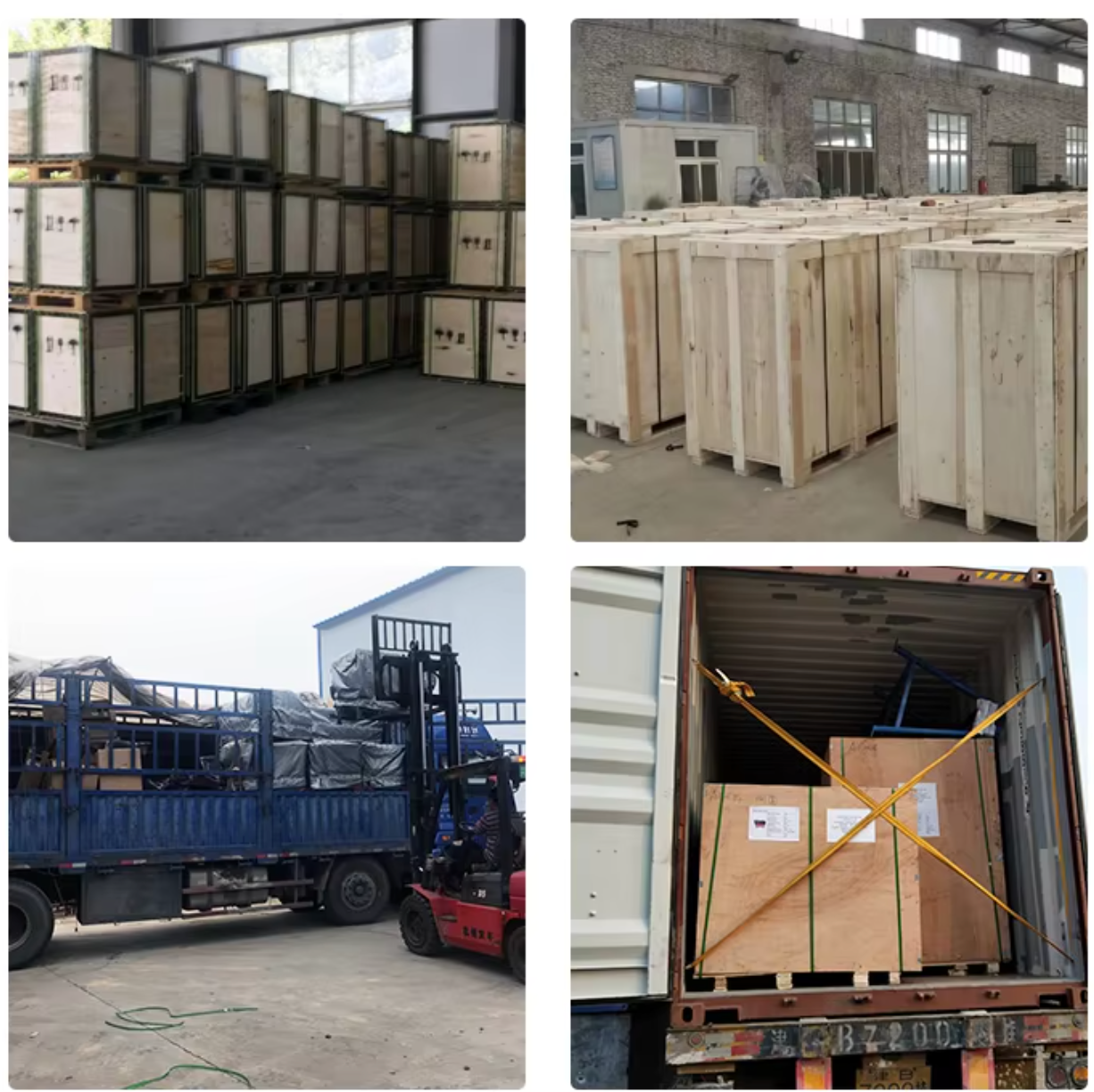
Product Packaging and shipping